Претражи овај блог

уторак, 14. јануар 2014.

40 godina

Ovog meseca, tačnije 26. januara, navršava se 40 godina od zvaničnog nastanka igre popularno znane kao Dungeons & Dragons. D&D je tokom tih 40 godina imao nekoliko reinkarnacija a najnovija, premda strogo uzevši nezvanična, čak ni ne nosi robnu marku D&D, već se igračima širom sveta prodaje kao Pathfinder.

Nekako se namestilo da će 2014. biti godina kada ću konačno početi novu veliku kampanju u svom homebrew svetu, na kojoj radim od 2009. godine. Jedan od najvažnijih koraka bio je sistematizacija pravila i prilagođavanje tih pravila priči koju želim da ispričam. Iako će igra u osnovi koristiti Pathfinder, rase i klase - a bogami i koješta nešto drugo - biće u najvećoj mogućoj meri prilagođene svetu u kojem će se igra odvijati i priči koju želim da pričam. 

Za početak, ljudi (Humans) biće podeljeni u tri podrase i ta podela će igrati veoma veliku ulogu. U ovom postu predstavljam jednu od tih podrasa - Borderlanders (da ne kažem, Krajišnike):

Borderlanders

Borderlands is a collective name for five countries that border Cursed Crags to the north and Midland region to the south, stretching from the northern parts of Elven Great Kingdom in the west to Krakenrift in the east. From west to east those countries are: La, Varingia, Tharoth, Movria and Rascia. Some even include the large island-nation of Thule, located off the Rascian coast, as part of Borderlands. It is certainly inhabited by people of similar stock and race. In fact, all Borderlanders come from the same breeding stock that ancient Masters have used to create their workers and soldiers, so they are very similar not only in physical quailities but in their mentality and customs as well.
Physical  Qualities: Most Borderlander are similar in build and physical traits vary only slightly in different countries. Borderlanders are big and tall, with broad shoulders and long limbs. They have pale skin and usually green or blue eyes. Their hair ranges from white to light brown and gold. Red hair is rare, but sometimes girls are born with almost crimson hair, and when that happens they are almost always consecrated to Morrigu, Red Hag of Battles. Most Borderlanders wear their hair long. Males almost always have beards, except in La, and women frequently wear their hair in braids.
Everyday Life: Borderlanders were created to serve as tireless workers and slave soldiers and that attitude is evident even after all the aeons that’ve passed since the Masters were defeated. Of course, harsh environment of Cursed Crags additionaly shaped them into what they are today. Borderlander are insular and slow to make friends. In the south they have a reputation as hard-bitten fearsome warriors of dour mien and unforgiving personality. That is balanced by their notion of kinship that encopases entire clans, who consider themselves to be essentially large families. One Imperial traveler observed that Borderlanders have either enemies or bloodbrothers, and that observetion has more than a grain of truth. Once their friendship is given, it is considered to be sacred. Although often fatalistic, Borderlander are known to celebrate with wild abandon even the simplest events in life.
Borderlanders have harsh concept of honor. Killing is considered to be lesser crime than thieving and lying. Only crime punishable by death is rape. Lesser crimes are balanced by gold or by working to repay the debth, and perpetrator is sometimes tattoed to denounce him as criminal. Each Borderland nation has its own customs, and it can be said that the same goes for every village in the Borderlands.
Most Borderlanders do not belong to Mithric religion. Instead, they worship spirits. Varyag customs considering spirits can be taken as Borderlander norm.
Varyags have a saying: Lords are far away, but the spirits are always near. Spirits are at the very center of Varyag everyday life. They believe that spirits are present in all things, including animals and household objects and that there are many kinds of spirits, from individual spirits to those of places, buildings and mountains and collective spirits such as the spirits of villages or battlefields.
In general, they divide the spirits in 3 categories: Great Spirits, Lesser and Least Spirits. Great Spirits are very rare and not all of them are known. In addition to spirit protectors of major septs – Father Wolf, Old Bear, Tiger of Winter and Fox the Trickster – they respect Great Raven, Queen of Crows (who often takes human shape) and Grandfather Oak as well.
Grandfather Oak is at the center of Varyag belief in what happens to them after death. They believe that their spirits become one with the trees, although not as a collective spirit being, such as the Whisper of Elven Forest, but individual trees that are suited to their personalities. Each Varyag family takes care of a small stand of trees that are never harmed. Their beloved dead are burned and then their ashes are poured into a hole in the ground where the sapling is planted. Most Varyag make their wishes known about the type of tree they would like to be planted in their ashes.
Trees are the center of Varyag villages as well. Since a number of Shadowlands tree species give out their own luminescence, Shadar plant them in the middle of village and town squares, or even build their settlements around them. In most cases those trees are oaks, but linden trees are common as well. In the case of settlements that are very new or temporary in character, such as military camps or trading outposts, weeping willows are often planted alongside other tree because they grow fast, although they do not live as long as oak or linden trees.
In La the spirits are called kami, which is an ancient word that survived Age of Slavery and all the later Ages. Great Spirit Dragon is considered to be the protector of both the nation and its ruler, who bears the title of Warlord, or voyvoda in Varyag tongue, which is the main tongue of the Borderlands.

Universal Borderlander Racial Traits


·          Ability Scores: +2 Constitution, +2 Strength or Dexterity; -2 Charisma.  Borderlanders  are  strong,  sturdy  and quick,  but  insular  and  they  keep  to themselves.
·          Medium: As Medium creatures, Borderlanders  have no special bonuses or penalties due to their size.
·          Borderlander  base land speed is 40 feet.
·          Bonus Feat: 1 extra feat at 1st level: Borderlanders  are versatile and dedicated warriors. The extra feat must either be chosen from the fighter’s list of bonus feats or must be a weapon, armor, or shield proficiency feat.
·          Sturdy: +1 racial bonus on Fortitude saving throws. Borderlanders are hardy people. This bonus increases to +5 when the Borderlanders  make Fortitude saving throws against cold dangers like cold weather, severe cold or exposure, or extreme cold. Additionally, Borderlanders  suffer only half the normal damage (rounded down) from the nonlethal cold damage caused by these effects.
·          Weapon  Familiarity:  Borderlanders  may  treat bastard swords and  bearded  axes as  martial weapons, rather than as exotic weapons.
·          Favored Class Options: Most Borderlanders  are berserkers, fighters and wildlanders. Some of them follow the path of spirit-speaker, acting as bridge between their people and their ancestral spirits. When gaining a level in a favored class, rather than gaining +1 hp or 1 skill point, a Borderlander can instead choose one of the following:
o    Berserker: Add 1 to the Borderlander’s total number of rage rounds per day.
o    Channeler(Spiritual): Select one power granted at 3rd level by Master of Two Worlds that is normally usable for a number of times per day equal to 3 + the channeler’s Wisdom modifier. The channeler adds ½ to the number of uses per day of that power.
o    Fighter: Choose a weapon from the following list: bastard sword, long sword, greatsword, battle axe and Borderlander war spear. Add a +¼ circumstance bonus on critical hit range of the weapon (maximum bonus of +4). This bonus stacks with Improved Critical feat.
o    Wildlander: Borderlanders add +½ on Persuasion (Intimidate) and Knowledge checks against Favored Enemies.

Borderlander National Traits

Each Borderlands nation is a bit different from the others. Although those differences may be insignificant to an average Imperial, wars had been waged in their defence or in order to eradicate them.
Laos: People of La are called Laos and they are perhaps the only outsiders in the Borderlands. Some of their ancestors are of native Varyag stock, but great many of them have come during the Long War from faraway lands and remained there, bringing with them their own customs in clothing, making weapons and myriad other things. Now, people of La are visibly different than other Borderlanders, although similar in some ways. They are less tall and not as wide and muscular as other Borderlanders, but more slender and graceful. They usually have white hair, although they color it in wildest colors. Their eyes are big and slightly slanted and very pale in color, raging from pale blue and green to almost colorless, so called “ice eyes”.
·          Elfmarked: Legends say that the people of La have done a great service to Eldarim in the past, so they gave them the gift of being Elfmarked. Laos gain Elfmarked bonus feat. This replaces Sturdy.
·          Weapon  Familiarity:  Laos are proficient in the use of all bows, as they try to emulate their Elven friends, but they loose the proficiency in bearderd axes. This replaces standard Borderlander Weapon Familiarity.
Varyags: Varyags are typical Borderlanders and when some stranger from Midlands or Far South says “Borderlanders” he probably thinks “Varyags”. Main difference between Varyags and other Borderlanders is their closeness with the nature spirits. Laos are more concerned with kami spirits, Movrians are more interested in the spirits of the dead, but Varyags worship nature and sometimes have trouble separating spirit world and the world in which they live in. Varyags live in a complicated society made of clans, septs and siols.
Clans are basically groups of families descendant from common ancestor and they are considered to be essentially very extended but very close family.
Septs designate a different kind of kinship. Not all Varyag belong to septs. In fact, only a very small percent of the population does – perhaps one in a thousand. Those that do are Beastblooded, or Lycans in Imperial tongue. Although all Varyags were wolfblooded at first, in time other kinds of bonds with animal spirits grew among them. There are 4 major septs: Wolf, Bear, Snow Tiger and Fox – as well as a number of smaller ones. Full half of Varyags belong to the Wolf Sept. The rest are equally divided between remaining 3 major and all other lesser septs. Varyags have a saying that the eyes are mark of the beast. Wolfblooded and Foxblooded have amber or silver eyes; Bearblooded have solid black eyes and Tigerblooded have blue or green cat eyes.

Siol is Shadarim word meaning seed or lesser progeny. It is used to describe the relationship between Varyags and at first Shadarim nobles, and then others who take on Varyags as their bodyguards and shieldmen. Varyags are fiercly loyal to those whom they consider to be their masters. Siol is an obligation of honor not of blood, so it is common for the members of different clans and septs to be loyal to the same lord. Varyags usually provide bodyguard and elite enforcer troops for the Shadarim, but since Shadarim are much les numerous than Varyags – and Shadarim nobles even more so – only small percentage of Varyags are siol.
·          Favored Class Options: Those Varyags who become Lycans gain 1 Lycan-specific bonus feat at 1st level of their Lycan class.

Movrians: Movrians tend to be somewhat slimmer and shorter than Varyags, but not by much. They mostly live in Tharoth and Movria, but throughout the Borderlands they tend sheep, goats and cattle. Althought there are Movrian villages and towns, those are rarely purely Movrian and large number of Movrians live semi-nomadic life, descending from the mountains only in wintertime, bringing their flocks with them.
Movrians are perhaps the hardest-working people of all Borderlanders. In addition to working the land and tending herds, they tend to work all over Midlands as builders, mercenaries and tradesman. Although they share the same ancestry as other Borderlander nations, they do not speak Varyag language as their mother tongue. Movrian language retains many Varyag words, but it is essentially vulgarized Imperial tongue – changed is such a way that it has become another language entirely, although similar to classic Imperial. Movrian doesn’t have written form, so Movrian nobles and commoners alike use Varyag as their official language for trading with foreigners and record-keeping, while they use Movrian amongst themselves and for unofficial communication. Movrians are the only Borderland nation that excells at horsmanship and although Movrian mountain horses are not suited for heavy cavalry, they are more than adequate for light horse archers. Since Movria has large Carcosan minority, some Movrians have learned how to use traditional horsemen weapon of Carcosans – the saber-like shashka – instead of bastard swords and axes favored by Varyags.
·          Weapon  Familiarity: You may choose to replace standard Borderlander weapon proficiencies with Carcosan shashka saber and composite short bow – traditional weapons of light Carcosan light cavalry.
·          Echoes of Life: Movrians are closer to the dead than other Borderlanders. They are used to Vampire Lords of their home country and to Witches of Tharoth. If Movrian becomes Gholgrah, he gains Echoes of Life as bonus trait.
Rascians: Rascians are the least insular of all Borderlanders. Although they are generally of same body type and beliefs as other Borderlanders, they have been interbreeding with Imperials and even some Carcosans for a very long time, so their appearance varies more and they tend to be more outcoming. Their revelries last for days and are legendary throughout Midlands and Borderlands, but that very same lack of dourness tends to become a lack in forethought and Rascians are sometimes prone to rash decisions and quick feuds. They can also be stubborn to a fault. Rascians are also the most cosmopolitan Borderland nation, since they have two large port cities – Grm and Dub – on their coast and several inland trading centers.
·          Ability Scores: Rascians may replace -2 penalty to Charisma with -2 penalty to Wisdom.

понедељак, 6. јануар 2014.

Goodreads Reading Challenge 2014

Goodreads ima nešto što se zove Reading Challenge. Igra se sastoji u tome da korisnik izazove sebe da će tokom godine pročitati određeni broj naslova, pa uz pomoć Goodreadsa prati koliko je kada pročitao.

Ovo je naročito zgodno stoga što Goodreads ne prati samo romane, već i stripove, rpg sourcebookove i svašta još nešto. Ako ima ISBN, ima ga na Goodreadsu. 

Ove godine odredio sam da ću pročitati 200 naslova. Da bih igru učinio poštenijom, odlučio sam da u neću računati sveske stripova već isključivo trejdove, integrale ili druge duže forme, kao ni priče već samo novele, romane ili antologije/zbirke priča. 

Ove godine neću ni odustajati od započetih naslova, te ću stoga pažljivije birati šta ću da čitam.

Nameće se pitanje izbora. 

Neke romane ću neizostavno čitati jer postoji mogućnost da će me neko zvati da ih prevodim. Neke ću čitati jer su nastavci meni dragih serijala. Neke ću čitati jer sam bolestan, pa želim da se podsetim starih miljenika - a neke jer je to stvar opšte kulture. 

Šta pod tim mislim?

Najznačajnije žanrovske nagrade nesumnjivo su Hugo i Nebula. Njima se može pridodati još svašta nešto, ali rešio sam da za merilo žanrovske valjanosti pored ove dve uzmem Lokusovu nagradu.

Podvukao sam crtu sa krajem dvadesetog veka i sastavio spisak romana koji su u dvadeset prvom veku dobili ove tri nagrade.

Hugo Award for Best Novel

2001    Harry Potter and the Goblet of Fire by J. K. Rowling
2002    American Gods by Neil Gaiman
2003    Hominids by Robert J. Sawyer
2004    Paladin of Souls by Lois McMaster Bujold
2005    Jonathan Strange & Mr Norrell by Susanna Clarke
2006    Spin by Robert Charles Wilson
2007    Rainbows End by Vernor Vinge
2008    The Yiddish Policemen's Union by Michael Chabon
2009    The Graveyard Book by Neil Gaiman
2010    The Windup Girl by Paolo Bacigalupi/The City & the City by China Miéville
2011    Blackout/All Clear by Connie Willis
2012    Among Others by Jo Walton
2013    Redshirts by John Scalzi


Nebula Award for Best Novel

2001     The Quantum Rose by Catherine Asaro
2002    American Gods by Neil Gaiman
2003    The Speed of Dark by Elizabeth Moon
2004    Paladin of Souls by Lois McMaster Bujold
2005    Camouflage by Joe Haldeman
2006    Seeker by Jack McDevitt
2007    The Yiddish Policemen's Union by Michael Chabon
2008    Powers by Ursula K. Le Guin
2009    The Windup Girl by Paolo Bacigalupi
2010    Blackout/All Clear by Connie Willis
2011    Among Others by Jo Walton
2012    2312 by Kim Stanley Robinson


Locus Award for Best Science Fiction Novel

2001     The Telling by Ursula K. Le Guin    
2002     Passage by Connie Willis    
2003     The Years of Rice and Salt by Kim Stanley Robinson    
2004     Ilium by Dan Simmons    
2005     The Baroque Cycle (i.e. Quicksilver; The Confusion; The System of the World) by Neal Stephenson    
2006     Accelerando by Charles Stross    
2007     Rainbows End by Vernor Vinge    
2008     The Yiddish Policemen's Union by Michael Chabon    
2009     Anathem by Neal Stephenson    
2010     Boneshaker by Cherie Priest    
2011     Blackout/All Clear by Connie Willis    
2012     Embassytown by China Miéville
2013     Redshirts by John Scalzi

Locus Award for Best Fantasy Novel

2001     A Storm of Swords by George R. R. Martin
2002     American Gods by Neil Gaiman
2003     The Scar by China Miéville
2004     Paladin of Souls by Lois McMaster Bujold
2005     Iron Council by China Miéville
2006     Anansi Boys by Neil Gaiman
2007     The Privilege of the Sword by Ellen Kushner
2008     Making Money by Terry Pratchett
2009     Lavinia by Ursula K. Le Guin
2010     The City & the City by China Miéville
2011     Kraken by China Miéville
2012     A Dance with Dragons by George R. R. Martin
2013     The Apocalypse Codex by Charles Stross

Locus Award for Best First Novel

2001     Mars Crossing by Geoffrey A. Landis
2002     Kushiel's Dart by Jacqueline Carey
2003     A Scattering of Jades by Alexander C. Irvine
2004     Down and Out in the Magic Kingdom by Cory Doctorow
2005     Jonathan Strange & Mr Norrell by Susanna Clarke
2006     Hammered/Scardown/Worldwired by Elizabeth Bear
2007     Temeraire: His Majesty's Dragon/Throne of Jade/Black Powder War’ by Naomi Novik
2008     Heart-Shaped Box by Joe Hill
2009     Singularity's Ring by Paul Melko
2010     The Windup Girl by Paolo Bacigalupi
2011     The Hundred Thousand Kingdoms by N. K. Jemisin
2012     The Night Circus by Erin Morgenstern
2013     Throne of the Crescent Moon by Saladin Ahmed

Kao što vidite, ima dosta preklapanja. Takođe, dosta romana pripadaju nekim serijalima. Bilo kako bilo, rešio sam da pročitam sve što je dobilo neku od ovih nagrada, a ako je to nešto deo serijala, onda ću pročitati i serijal.

Rekao bih da će mi to dati dobro polazište za moj Goodreads Reading Challenge od 200 knjiga za ovu godinu.

Šta ćete vi čitati?

среда, 1. јануар 2014.

Nova fantazija u 2014. godini - deo prvi

Kada je reč o fantaziji i srodnim podžanrovima fantastike, 2014. za sada veoma obećava. 

Na prvom mestu su svakako najavljeni nastavci najvećih fantazijskih noviteta iz 2013. Naravno, reč je o novim romanima Entonija Rajana i Brajana Maklelanda. 

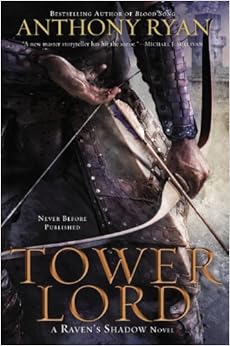
Tower Lord (A Raven's Shadow Novel)

In Blood Song, Anthony Ryan introduced readers to “a fascinating world of conflicting religions and the wars fought in the name of those faiths” (Library Journal). Now Ryan’s epic tale continues as Vaelin Al Sorna discovers that there is no escape from the call of destiny…

“The blood-song rose with an unexpected tune, a warm hum mingling recognition with an impression of safety. He had a sense it was welcoming him home.”

Vaelin Al Sorna, warrior of the Sixth Order, called Darkblade, called Hope Killer. The greatest warrior of his day, and witness to the greatest defeat of his nation: King Janus’s vision of a Greater Unified Realm drowned in the blood of brave men fighting for a cause Vaelin alone knows was forged from a lie. Sick at heart, he comes home, determined to kill no more. Named Tower Lord of the Northern Reaches by King Janus’s grateful heir, he can perhaps find peace in a colder, more remote land far from the intrigues of a troubled Realm.

But those gifted with the blood-song are never destined to live a quiet life. Many died in King Janus’s wars, but many survived, and Vaelin is a target, not just for those seeking revenge but for those who know what he can do. The Faith has been sundered, and many have no doubt who their leader should be. The new King is weak, but his sister is strong. The blood-song is powerful, rich in warning and guidance in times of trouble, but is only a fraction of the power available to others who understand more of its mysteries. Something moves against the Realm, something that commands mighty forces, and Vaelin will find to his great regret that when faced with annihilation, even the most reluctant hand must eventually draw a sword.

The Crimson Campaign (The Powder Mage Trilogy)

When invasion looms...
Tamas's invasion of Kez ends in disaster when a Kez counter-offensive leaves him cut off behind enemy lines with only a fraction of his army, no supplies, and no hope of reinforcements. Drastically outnumbered and pursued by the enemy's best, he must lead his men on a reckless march through northern Kez to safety, and back over the mountains so that he can defend his country from an angry god, Kresimir.

But the threats are closer to home...
In Adro, Inspector Adamat only wants to rescue his wife. To do so he must track down and confront the evil Lord Vetas. He has questions for Vetas concerning his enigmatic master, but the answers will lead Adamat on a darker journey.

Who will lead the charge?
Tamas's generals bicker among themselves, the brigades lose ground every day beneath the Kez onslaught, and Kresimir wants the head of the man who shot him in the eye. With Tamas and his powder cabal presumed dead, Taniel Two-shot finds himself as the last line of defense against Kresimir's advancing army.

In a rich, distinctive world that mixes magic with technology, who could stand against mages that control gunpowder and bullets? THE CRIMSON CAMPAIGN is the epic sequel to Brian McClellan's Promise of Blood.
 
Maklelan je u protekloj godini bio nešto aktivniji i objavio je par priča maskiranih u novele, pa je očigledno da je pošao koracima svog učitelja, Sandersona, koji često objavljuje kraće radove smeštene u svoje svetove, ali ih objavljuje u formi samostalnih naslova. Elektronsko izdavaštvo sve je naklonjenije kraćim književnim formama, pa se izgleda i pisci privikavaju na mogućnosti koje im se nude.

Ne mogu a da odmah nakon ova dva naslova ne izdvojim 

The Dark Defiles by Richard Morgan

Nažalost, o završnici trilogije No Land for Heroes ne zna se ništa sem da je reč o završnici trilogije. Za neupućene, istaći ću da je reč o romanima koji dele žanrovske poklonike na istinske sladokusce i legitimne poznavaoce žanra, koji su ih pročitali - i na diletante koji nisu. Zaista je reč o obaveznom štivu.

Petnaesti roman u serijalu "Drezdenovi dosijei" još je jedan roman na čije se objavljivanje dugo čekalo. Bučeru je pošlo za rukom da u romanima od Changes pa na ovamo u potpunosti sruši Drezdenov svet, ali da ostavi temelje na kojima će zapravo podići novi serijal u starom ruhu... ili možda obratno. 

Bilo kako bilo, novi Bučerov roman je nešto što se mora pročitati čim bude objavljeno, makar zarad opšte kulture - ali i zbog toga što su "Drezdenovi dosijei" jedan od retkih serijala urbane fantastike koji nisu skliznuli u paranormalnu romantiku ili čak nepatvorenu erotsku fantaziju.

Skin Game (The Dresden Files, #15) by Jim Butcher
 
Harry Dresden, Chicago’s only professional wizard, is about to have a very bad day….
Because as Winter Knight to the Queen of Air and Darkness, Harry never knows what the scheming Mab might want him to do. Usually, it’s something awful.
He doesn’t know the half of it….
Mab has just traded Harry’s skills to pay off one of her debts. And now he must help a group of supernatural villains—led by one of Harry’s most dreaded and despised enemies, Nicodemus Archleone—to break into the highest-security vault in town so that they can then access the highest-security vault in the Nevernever.
It’s a smash-and-grab job to recover the literal Holy Grail from the vaults of the greatest treasure hoard in the supernatural world—which belongs to the one and only Hades, Lord of the freaking Underworld and generally unpleasant character. Worse, Dresden suspects that there is another game afoot that no one is talking about. And he’s dead certain that Nicodemus has no intention of allowing any of his crew to survive the experience. Especially Harry.
Dresden’s always been tricky, but he’s going to have to up his backstabbing game to survive this mess—assuming his own allies don’t end up killing him before his enemies get the chance…

Sworn in Steel (Tales of the Kin, #2) by Douglas Hulick

Halikov prvenac bio je potpuno veličanstven i možda čak i bolji od Low Town-a Denijela Polanskog. Međutim, na drugi naslov u serijalu čekalo se toliko dugo da je dobar deo publike već zaboravio na ovog izvanredno pisca, koji je zajedno sa Polanskim potpuno promenio pejzaž urbane fantastike i skrenuo je prema tradicionalnom maču&magiji.

It’s been three months since Drothe killed a legend, burned down a portion of the imperial capital, and unexpectedly elevated himself into the ranks of the criminal elite. Now, as the newest Gray Prince in the underworld, he’s learning just how good he used to have it.

With barely the beginnings of an organization to his name, Drothe is already being called out by other Gray Princes. And to make matters worse, when one dies, all signs point to Drothe as wielding the knife. As members of the Kin begin choosing sides – mostly against him – for what looks to be another impending war, Drothe is approached by a man who not only has the solution to Drothe’s most pressing problem, but an offer of redemption. The only problem is the offer isn’t for him.

Now Drothe finds himself on the way to the Despotate of Djan, the empire’s long-standing enemy, with an offer to make and a price on his head. And the grains of sand in the hour glass are running out, fast…

Kad smo kod nastavaka, Đango Veksler je već napisao nastavak svog prošlogodišnjeg prvenca. Moglo bi se reći da se već formira novi podžanr "barutske fantazije", koja je mahom okrenuta vojnoj tematici, premda ima tu i nešto malo detektivskih romana zabašurenih u alternativnu istoriju. Meni se Vekslerov prvenac nije posebno dopao i batalio sam ga relativno brzo, premda sam baš i mogao da mu posvetim nešto veću pažnju.

The Shadow Throne (The Shadow Campaigns, #2) by Django Wexler

Anyone can plot a coup or fire an assassin’s bullet. But in a world of muskets and magic, it takes considerably more to seize the throne.

The ailing King of the Vordan lies on his deathbed. When he dies, his daughter, Raesinia Orboan, will become the first Queen Regnant in centuries—and a ripe target for the ambitious men who seek to control her. The most dangerous of these is Duke Orlanko, Minister of Information and master of the secret police. Having meticulously silenced his adversaries through intimidation, imprisonment, and execution, Orlanko is the most feared man in the kingdom.

And he knows an arcane secret that puts Raesinia completely at his mercy.

Exposure would mean ruin, but Raesinia is determined to find a way to break herself—and her country—out of Orlanko’s iron grip. She finds unlikely allies in the returning war hero Janus bet Vhalnich, fresh from a brilliant campaign in the colony of Khandar, and his loyal deputies, Captain Marcus d’Ivoire and Lieutenant Winter Ihernglass.

As Marcus and Winter struggle to find their places in the home they never thought they would see again, they help Janus and Raesinia set in motion events that could free Vordan from Orlanko’s influence—at the price of throwing the nation into chaos. But with the people suffering under the Duke’s tyranny, they intend to protect the kingdom with every power they can command, earthly or otherwise.

The Emperor’s Blades by Brian Staveley

O ovome ne znam ništa sem da se gradi neverovatan hajp. Ubrzo ćemo saznati kakav je roman.

When the emperor of Annur is murdered, his children must fight to uncover the conspiracy—and the ancient enemy—that effected his death.
Kaden, the heir apparent, was for eight years sequestered in a remote mountain monastery, where he learned the inscrutable discipline of monks devoted to the Blank God. Their rituals hold the key to an ancient power which Kaden must master before it’s too late. When an imperial delegation arrives to usher him back to the capital for his coronation, he has learned just enough to realize that they are not what they seem—and enough, perhaps, to successfully fight back.
Meanwhile, in the capital, his sister Adare, master politician and Minister of Finance, struggles against the religious conspiracy that seems to be responsible for the emperor’s murder. Amid murky politics, she’s determined to have justice—but she may be condemning the wrong man.
 Their brother Valyn is struggling to stay alive. He knew his training to join the Kettral— deadly warriors who fly massive birds into battle—would be arduous. But after a number of strange apparent accidents, and the last desperate warning of a dying guard, he’s convinced his father’s murderers are trying to kill him, and then his brother. He must escape north to warn Kaden—if he can first survive the brutal final test of the Kettral.

недеља, 22. децембар 2013.

Pravda

Pitali su me skoro šta mi je najdraže od svega što sam preveo...

463.    Gospođo Pravdo... Ovo je V.

464.    V... Ovo je gospođa Pravda.

465.    Zdravo, gospođo Pravdo.

466.    „Dobro veče, V.“

467.    Eto. Sada se znamo. Zapravo, već sam neko vreme vaš obožavalac. Oh, znam šta vam prolazi kroz glavu...

468.    „Jadno dete se zatreskalo u mene... Mladalačka opčinjenost.“

469.    Izvinjavam se, madam, ali uopšte nije tako...

470.    Odavno vam se divim... Mada samo izdaleka. Nekad sam, kao dete, sa ulice gledao ka vama.

471.    Rekao bih mome ocu: „Ko je ona gospođa tamo?“ A on bi odgovorio: „To je gospođa Pravda.“ A ja bih mu kazao: „Zar nije lepa!“

472.    Molim vas, nemojte misliti da žudim za vašim telom. Znam da niste takva devojka. Ne, voleo sam vas kao osobu. Kao ideal.

473.    Bilo je to odavno. Bojim se da je u mom životu sada neko drugi...

474.    „Šta? V! Stidite se! Izdali ste me zarad neke drolje, neke tašte profuknjače, napućenih usana i tajanstvenog osmeha!“

475.    Ja, madam? Protestujem! Vaša me je nevernost oterala u njeno naručje!

476.    A-ha! To vas je iznenadilo, zar ne? Mislili ste da nisam znao za vašu avanturicu. Ali jesam. Sve znam!

477.    Da budem iskren, nisam se iznenadio kada sam saznao. Oduvek ste voleli muškarca u uniformi.

478.    „Uniformi? Ma, ne znam o čemu pričate. Oduvek ste bili samo vi, V. Vi ste bili jedini...“

479.    Lažeš! Droljo! Kurvo! Poreci ako možeš da si mu dozvolila da ti radi šta god hoće, on sa svojim oznakama i visokim čizmama!

480.    Pa? Da ti nije maca jezik pojela?

481.    Tako sam i mislio.

482.    U redu. Napokon si razotkrivena. Više nisi moja pravda. Sada si njegova pravda. Obljubila si drugoga.

483.    Pa, i ja to umem!

484.    „Kuku! Lele! K-ko je ona, V? Kako se zove?“

485.    Ime joj je anarhija, i kao ljubavnica naučila me je mnogo više od tebe.

486.    Naučila me je da pravda nema smisla bez slobode. Ona je poštena. Ne daje obećanja, niti ih krši – za razliku od tebe, preljubnice.

487.    Nekad sam se pitao zašto me nikad nisi pogledala u oči. Sada znam.

488.    I stoga, zbogom, draga gospo. Rastužio bi me naš rastanak, ali više nisi žena što sam je nekad voleo.

489.    Evo... Pred stope ti polažem poslednji dar.

490.    Plamen slobode. Kako divno, kako pravedno. Ahh, draga moja anarhijo...

491.    „O lepoto, sve do sada znana mi nisi bila.“

среда, 18. децембар 2013.

Najtflajerz Best ov d Best za 2013.

Da rezimiramo, 

Ove godine pročitao sam pedesetak naslova žanrovske fantastike. Moj Goodreads nalog mi kaže da sam ukupno pročitao sedamdeset i nešto knjiga, ali laže kao skot - pošto baš nisam ažurno beležio šta sam sve pročitao.

Bilo kako bilo, vreme je da se od to malo pročitanih knjiga probere najbolje.

Hronološki, a i po kvalitetu, taj spisak izgleda ovako:

1. The Red Knight, Miles Cameron 5/5

"Crveni vitez" Majlsa Kamerona objavljen je u decembru prošle godine, ali meni je dopao šaka u januaru ove. Vrlo je verovatno da će slično biti i sa nastavkom ovog romana, koji bi trebalo da bude objavljen za koji dan. To jest, najverovatnije ću ga čitati narednog meseca.

Kameronov roman sledi trend "drevne prošlosti u dalekoj budućnosti". Ovaj pravac nije nikakva novost u fantastici. Bruks ga je odavno popularizovao, a u poslednjih nekoliko godina svedočimo renesansi ovakvog pristupa, počevši od Kena Šolsa pa do sjajnog Marka Lorensa. Naravno, kao i mnogo drugih stvari, i ovo je pokojni Džordan vratio u fantazijski milje. Novi pisci su očigledno primorani da delaju na polju koje su im raščistili titani, tako da savremena fantazija sve više liči na sintezu Džordanovštine i Martinovštine. što i nije tako loše kako možda zvuči.

Uglavnom, Kameronu polazi za rukom da veoma suptilno nagovesti taj element svog dela, ali i da pobegne od podražavanja Martina, što mnogim popularnijim i iskusnijim piscima nije uspelo. U svom prvom romanu Kameron izbegava SF elemente, čime se jasno razlikuje od Lorensa (u suprotnom, postojala bi opasnost da mu bude presličan), tako da se njegov roman ne može svrstati u sajens fantazi. Zanimljivo mi je to što je uspeo da dočara sumornost i prljavost sveta u kojem se njegovi protagonisti kreću, a da ne ispadne da kopira Martina, što je malo kome pošlo za rukom.

Red Knight je bespogovorno militaristička fantazija, po ugledu na Glena Kuka i Stivena Eriksona, premda kvazisrednjovekovni mizanscen veoma podseća na novije romane Stiva Stirlinga.

Kameronova proza je izvrsna. Jezik njegovih protagonista je jezik kojim se Valter Skot služio kada je pisao "Ajvanha", ali nije suvoparan i beživotan kako često ume da bude slučaj kada pisci pokušavaju da dočaraju govor srednjovekovnih plemića ili viktorijanskog građanskog društva. Kameronov jezik je živopisan i aktuelan, a nadasve uverljiv i prirodan za njegove protagoniste, premda ume da pati od preteranog obilja srednjovekovnih izraza za razne delove oklopa i opreme, što zna da optereti čitaoca. 

Najveća zamerka koju sam imao čitajući The Red Knight odnosi se na obilje PoV poglavlja, koja su ujedno veoma kratka, što dovodi do neprirodnih prekida u koncentraciji. Poglavlja jesu prelepo napisana, ali neka su svega pola stranice dugačka, što tera čitaocia da se prebrzo prilagođava različitim likovima. 

Sve u svemu, ovo je možda najbolji roman koji sam pročitao prethodne godine.


2.  She Who Waits, Daniel Polansky 5/5

Danijel Polanski je još jedan pisac nove generacije autora, koji prilično hrabro iskušavaju žanrovske granice. Recimo da je i on jedan od pobornika novog grimdark pravca u pisanju fantazije, ali je on to spojio sa noar krimićima - i to na veličanstven način. Polanski bi mogao da bude primer piscima poput Aberkrombija za to kako se piše iz gledišta negativca, jer njegov protagonista jeste bad guy. Nije reč ni o kakvom antiheroju, već o zlikovcu do srži. Problem je samo u tome što je i svet oko njega prljav i zao. Zapravo, trilogija Low Town je nešto najpribližnije Milerovom "Gradu greha" što sam ikada pročitao, a pročitao sam dosta tih noar knjiga i stripova. She Who Waits je neverovatna završnica trilogije i teško je reći bilo šta konkretno a ne spojlovati završnicu. Ono što moram da napomenem jeste da bi Polanskog pre svega trebalo da čitaju oni koji žele da budu pisci. Retko se sreće toliko maestralno pripovedanje iz prvog lica.

 Da nisam The Red Knight pročitao ove godine, She Who Waits bi nesumnjivo bio najbolji pročitani roman u 2013. No, sklon sam da kažem da je cela trilogija Low Town najbolja zaokružena celina u ovoj deceniji, makar za sada.

3. Blood Song, Anthony Ryan 5/5 & Promise of Blood, Brian McClellan 4/5

Treće mesto dele dva romana, oba debitantska.

Moram priznati da je od ta dva moj favorit Blood Song i nadam se da će se već naći izdavač koji će ga objaviti kod nas. Ovaj roman se kreće negde između "Enderove igre" i "Imena vetra". Mizanscen ratničke škole svakako nije originalan, pa čak ni najbolje izveden u žanru - recimo, to je mnogo bolje izvedeno u serijalu "Kensirat" iz pera Pet Hodžel - ali očito je da se čitalaštvo uželelo ovakvih naslova i Rajan je sjajno odgovorio na tu potrebu. Blood Song u svakom slučaju nije žanrovski instant klasik. Pokazalo se da je Rajan stekao izvesnu popularnost, ali ni izbliza kao Patrik Rotfas, Međutim, ono što Blood Song gubi na neoriginalnosti i eventualnom poređenju sa Rotfasovim "Hronikama Kraljoubice" svakako dobija odličnom izvedbom. Rajan je gotovo po stavkama dao sve što jedan coming of age roman treba da ima - ali je istovremeno postavio više nego solidne temelje za nastavak, koji je već jedan od najiščekivanijih romana koji će biti objavljeni naredne godine.

Promise of Blood je sušta suprotnost romanu Blood Song, iako dele najznačajniju reč u naslovu. Pisac je Sandersonov učenik i uticaj ovog predavača kreativnog pisanja - i Džordanovog naslednika - više je nego očit. Maklelan se opredelio da čitaoce mami worldbuildingom, relativno originalnim, i sistemom magije - prilično originalnim, premda pomalo asocira na Sandersonove Maglorodne. Maklelan se takođe opredelio da svoj svet postavi u ekvivalent predindustrijskog doba, a takve odluke su često rizične. Čitaoci po pravilo više vole kvazisrednjovekovni mizanscen za epsku fantastiku. Moglo bi se reći da je Maklelan suzio svoje čitalaštvo, ali istovremeno je zahvatio lep komad čitalaca militarističke fantastike, pa je tako popunio tu rupu.

U svakom slučaju, ova dva romana su debitanti godine - i najozbiljniji kandidati za objavljivanje kod nas.


петак, 13. децембар 2013.

2013 - svođenje računa

Ove godine pročitao sam tačno 51 naslov žanrovske fantastike. Ovo je donekle tragičan skor, s obzirom na to da sam u periodu 2004-2008 čitao prosečno 300 naslova godišnje. Međutim, nije da nisam zadovoljan, pošto to izlazi na jednu knjigu nedeljno - a knjige koje ja čitam mahom su veoma obimne.

Od tih pedeset naslova, priličan broj otpada na ponovljena čitanja, ali ima i sasvim dovoljno novog štiva. Donekle sam uspeo da ispratim najznačajnije nove pisce - pre svega Gledstona, Rajana i Maklelana - ali mi nije promakao ni Kameron, koji se predstavio krajem prošle godine, ali sam ga pročitao početkom ove. Slutim da će slično biti i sa njegovim drugim romanom.

Bilo kako bilo, evo glavnog spiska fantastike pročitane u 2013. godini. A sutra, izbor najboljih naslova.


januar

The Truth, Terry Pratchett 5/5
The Red Knight, Miles Cameron 5/5

februar

Deadhouse Gates, Steven Erikson 5/5
The Queen Is Dead, Kate Locke 5/5
The Six-Gun Tarot, R.S. Belcher 2/5
Blood Skies,Steven Montano 4/5
Black Scars,Steven Montano3/5
Soulrazor, Steven Montano 2/5
Crown of Ash, Steven Montano 2/5

mart

Frost Burned, Patricia Briggs 2/5
Written in Red, Anne Bishop 2/5
Towers of Midnight, Robert Jordan and Brandon Sanderson 5/5
The Killing Moon, N. K. Jemisin 3/5
Thraxas and the Ice Dragon, Martin Scott 5/5
Memories of Ice, Steven Erikson 5/5

april

Wolfhound Century, Peter Higgins 2/5
The Shackled Hut, Jim Groves 4/5
River of Stars, Guy Gavriel Kay 3/5
Vengeance, Ian Irvine 2/5
The Alchemist, Paolo Bacigalupi 3/5
The Heretic, David Drake and Tony Daniel 3/5
Blood Song, Anthony Ryan 5/5
Promise of Blood, Brian McClellan 4/5

maj

Three Parts Dead by Max Gladstone 5/5
Equations of Lifeby Simon Morden 4/5
Destiny's Shield by Eric Flint and David Drake 5/5
Fortune's Strokeby Eric Flint and David Drake 5/5
The Tide of Victory by Eric Flint and David Drake 5/5
The Dance of Time by Eric Flint and David Drake 5/5

jun

Fade to Black by Francis Knight 2/5

jul

Pittsburgh Backyard and Garden by Wen Spencer 4/5
Abaddon's Gate (The Expanse) by James S.A. Corey 4/5
Requiem (The Psalms of Isaak) by Ken Scholes 4/5

avgust

Magic Rises by Ilona Andrews 4/5
Emperor of Thorns by Mark Lawrence 5/5
House of Chains, Steven Erickson 5/5
Cast in Sorrow, Michelle Sagara 3/5

septembar

The Given Sacrifice, S.M. Stirling 5/5
Bonehunters, Steven Erikson 5/5
Harbinger, Philippa Ballantine 4/5
War Master's Gate, Adrian Tchaikovsky 4/5
Kinslayer, Jay Kristoff 4/5

oktobar

The Ace of Skulls, Chris Wooding 5/5
Battle Magic, Tamora Pierce 3/5
The Sky People by S.M. Stirling 4/5
In the Courts of the Crimson Kings by S.M. Stirling 5/5

novembar

She Who Waits, Daniel Polansky 5/5
Two Serpents Rise by Max Gladstone 5/5
A Memory of Light by Robert Jordan and Brandon Sanderson 5/5
Long Live the Queen by Kate Locke 4/5

decembar

Ancillary Justice by Ann Leckie 4/5

четвртак, 12. децембар 2013.

The Hobbit: The Desolation of Smaug (2013)

Film naslova The Hobbit: The Desolation of Smaug najbolji je fantazijski film svih vremena - osim kada to nije. 

Najpre, moram reći da sam na projekciju išao bez očekivanja. Možda sam čak mislio da ću gledati nešto slabiji film od prvog u trilogiji, nekako vođen mišlju da će The Desolation of Smaug biti nužni veznik između keca i trojke. No, Džekson me je demantovao u velikom stilu. Sa izuzetkom malo sporijeg početka i scene koju Gandalf zapravo pripoveda u "Gospodaru", a Džekson nam je slika kao mali prikvel, film počinje veličanstvenom akcijom i slika svet Srednje zemlje - ili bilo koji fantazijski svet, zapravo - širokim i odlučnim potezima četkicom. 

Posvećenost i najsitnijem detalju koju je Džekson ulio u ovaj poduhvat do sada nije viđena na filmskom platnu. The Desolation of Smaug je davinčijevsko otelotvoravanje sveta mašte i za čitavo koplje, ako ne i dva, ispred prethodnog filma u trilogiji i "Avatara", koji je nekako neizbežan primer uverljivosti i verodostojnosti fantazijske pozornice na kojoj se priča pripoveda. 

Ovo nije postignuto samo CGI efektima, premda je nesumnjivo da će The Desolation of Smaug za njih dobiti Oskara - trebalo bi da odmah dobije bar četiri komada u istoj kategoriji da bi se odao makar mali deo zaslužene počasti za prikazano majstorstvo - već i odličnom režijom i kadriranjem. Šta god da je Džekson radio s kamerom i tom svojom ubrzanom trakom i sa koliko već kadrova u sekundi imalo je neverovatan učinak i dinamičnost scena koje sam video, njihovo smenjivanje a bogami i koreografija sam su vrhunac kinematografije.

Glumci su bili fenomenalni. Ser Ijan Makalen je čak bio zasenjen odličnim Armitadžom, koji je Torina odigrao kao drkadžiju na kub, ali sa savršenom merom uverljivosti i sa dovoljno razložnosti da ne odbije gledaoca. Friman je Bilba odigrao sa takvom neverovatnom lakoćom da bi čovek pomislio da zaista ima hobitske gene makar u nekom korenu porodičnog stabla - ali film je definitivno ukrao Kamberbač. Nema pravde na ovome svetu ako ne dobije Oskara za ulogu Šmauga (odnosno, Šmaugovog glasa). Zvučnici bioskopskih dvorana takvo oglasovljenje zla nisu čuli još od Darta Vejdera, ali Šmaug je prevazišao čak i Dark Lord of the Sith lično. 

Sada stižem do drugog dela prve rečenice ovog osvrta na film.

The Desolation of Smaug pada sa jedne strane na Evanđelini Lili, a sa druge strane na Taurijel. 

Lili je odlična u scenama borbe. Besprekorno igra kapetana vilovnjačke garde i čak zasenjuje Orlanda Bluma u njegovoj staroj koži Legolasa. Ali za razliku od Bluma, ne snalazi se najbolje kada treba da kaže nešto. Njena gluma nije ni za poređenje sa Liv Tajler u "Gospodaru", pa ni sa njenom rolom u "Izgubljenima". Donekle ju je i Džekson izneverio. "Romantične" scene sa Kilijem su doslovce na nivou "Sumraka", ali sa boljim kostimima i muzičkom podlogom. Nenadahnuto, neuverljivo i uvredljivo. 

Uvredljiv je i tretman Taurijele kao lika. Ona bi bila savršen dodatak svetu "Hobita", samo da joj nije nametnuta uloga love interest-a tamo nekog zgodnog patuljka. Zar žena ne može da postoji van uloge nečije ljubavnice? Razumem da je Džekson želeo da popravi testosteronsku sliku književnog predloška, ali i da se poigra sa onim čime nije smeo da se igra u "Gospodaru", odnosno odnosom Gimlija i Galadrijele, ali i u jednom i drugom pokazao se kao epic fail, štono kažu u Zapadnom Gondoru. 

Imajući sve to na umu, ovaj film bi bio čista desetka da je jedno 30 minuta kraći. Jedino ga izvanredni Kamberbač sprečava da ne bude bezobrazno predugačak, ali njegova glasovna rola Šmauga toliko je zapanjujuća da bih bio spreman da ga gledam još sat vremena, preko onih dva sata i četrdeset minuta, a da ne trepnem. 

U neku ruku, The Desolation of Smaug sastoji se od dva filma. Jedan je bespotrebno glumatanje i emulacija "Sumraka", ako je neposredni vinovnik Evanđelina Lili, ili "Montija Pajtona", ako je za to zadužen Fraj. Taj deo komotno može da se iseče. Drugi deo je najluće moguće putovanje u Srednju zemlju, ispričano sa strašću i ljubavlju, sa posvećenošću i bezgraničnom maštom. Taj deo je 10/10.

Ne znam kako da ocenim film u celosti a da ne zakinem dobroj strani filma ili da ne nagradim lošu. U ovom trenutku, to mi je nemoguće. 

Svako će morati da donese svoj sud, makar do director's cut-a.